The Alliance

Presentation & objectives

Bibliodiversity, 2014

Bibliodiversity is cultural diversity applied to the world of books. Echoing biodiversity, it refers to the critical diversity of products (books, scripts, eBooks, apps, and oral literature) made available to readers. Bibliodiversity is a complex, self-sustaining system of storytelling, writing, publishing, and other kinds of production of oral and written literature. The writers and producers are comparable to the inhabitants of an ecosystem. Bibliodiversity contributes to a thriving life of culture and a healthy eco-social system. While large publishers do contribute to publishing diversity through the quantitative importance of their production, it is not enough to guarantee bibliodiversity, which is not only measured by the number of titles available.
Independent publishers, even if they consider their publishing houses’ economic balance, are above all concerned with the content of published products. Independent publishers’ books bring a different outlook and voice, as opposed to the more standardised publications offered by major groups. Independent publishers’ books and other products and their preferred diffusion channels (independent booksellers, among others) are therefore essential to preserve and strengthen plurality and the diffusion of ideas. The word bibliodiversity was invented by Chilean publishers, during the creation of the “Editores independientes de Chile” collective in the late 1990s. The International Alliance of independent publishers significantly contributed to the diffusion and promotion of this notion in several languages, including through the Dakar Declaration (2003), Guadalajara Declaration (2005), Paris Declaration (2007), Cape Town Declaration (2014) and the Pamplona-Iruñea Declaration (2021). Since 2010, International Bibliodiversity Day is celebrated on 21 September.

See the article « Bibliodiversity » on Wikipedia.
The article also exists in French, Spanish and Portuguese.

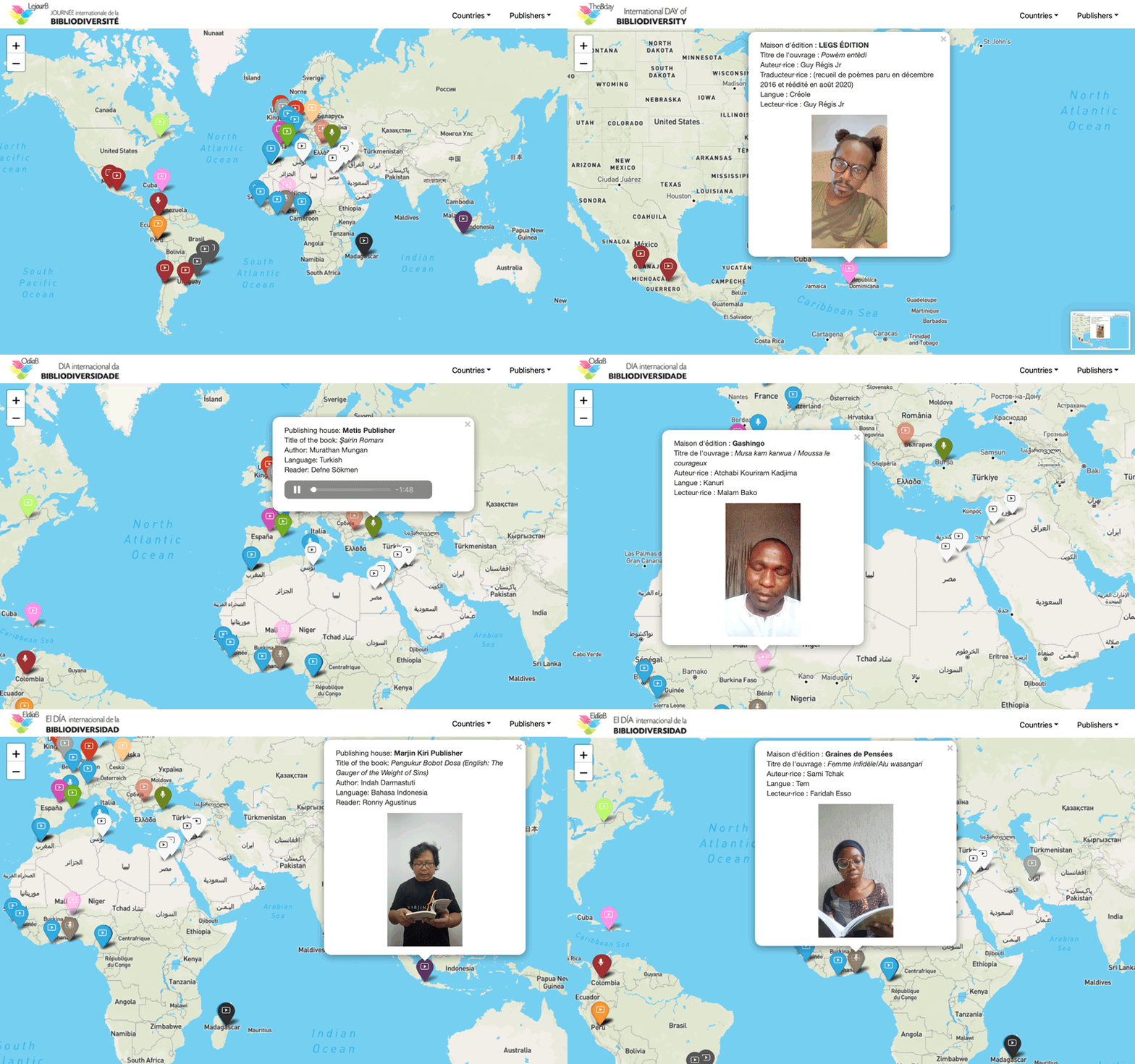
The bibliodiversity, in pictures !
GIF - 1.3 Mio

Partager l'article

Predation, 2013

Container full of books inundating the market, books produced in another cultural setting given away free to readers or public libraries, the setup of local branches by publishing groups from abroad aiming to achieve monopoly conditions… Drawing on some examples of practices with damaging consequences to the publishing market in developing countries, Étienne Galliand (founder of the International Alliance of Independent Publishers) presents an overview of the predation to which emerging markets are subjected directly or indirectly. An edifying panorama.

As a complement to this article, you can consult the Guidelines for Fair Publishing Partnerships (in French).

Partager l'article

The “Fair Trade Book”

The label “Fair Trade Book” is attributed by the International Alliance of independent publishers to works published in the context of international publishing agreements that respect each other’s particularities : fair co- publishing. These fair copublishings enable the sharing of costs linked to intellectual and physical production of books and therefore ensure an economy of scale ; an exchange of professional know-how and a common experience, while respecting the publishers’ cultural contexts and identities ; and a distribution of works on a broader scale by adjusting prices for each geographic zone.

Partager l'article

Fair speech

The notion of fair speech expands the idea of ‘free speech’ to incorporate the concept of justice. Indeed, in a context of media concentration, dominant powers (whether political, economic, religious, ideological, etc.) are the most represented and heard (because they are powerful or loud). Fair speech fosters speech equity for other voices that are often marginalised and/or censored to be heard. Fair speech therefore promotes an equitable access to expression (for example for women, historically marginalised groups, etc.), enabling an authentic diversity of voices. This concept was created by Betty McLellan in Unspeakable (Spinifex Press, 2010, Australia) and promoted by Susan Hawthorne in Bibliodiversity : A Manifesto for Independent Publishing (Spinifex Press, 2014, Australia).

Partager l'article

The Declarations of 2003, 2005 and 2007

The Dakar Declaration (December 2003) is the foundational text of the Alliance and birth certificate of the association. The Guadalajara Declaration (October 2005) is the outcome of a meeting held in Mexico between independent publishers from the Latin world.
The International Declaration of independent publishers for the protection and promotion of bibliodiversity (July 2007) was drafted and signed by the 70 publishers participating to the International Assembly of independent publishers held in Paris in 2007.
These three texts, as well as the 2014 International Declaration of independent publishers, are milestones in the history of the Alliance – they are a reminder, and bear witness to the present bearing testimony to the commitment of independent publishers, and serve as their policy guidelines.

Partager l'article

Activities

Walaandé, l’art de partager un mari

Auteur(s) : Djaïli Amadou AMAL
Pays de parution : Liban, Tunisie
Langue(s) : arabe

Une coédition des éditions Al Intishar / Centre de publication arabe (Liban), Dar Al Farabi (Liban) et Med Ali Éditions (Tunisie), soutenue par la Fondation Prince Claus, récompensant un flux de traduction rare et favorisant la diffusion des œuvres d’un continent à un autre.

Walaandé, l’art de partager un mari met en exergue les réalités que vivent au quotidien les femmes dans un ménage polygamique. Les principaux thèmes évoqués sont la polygamie, l’éducation de la femme, la discrimination, la violence à l’encontre des femmes, le mariage précoce et forcé, la répudiation.

Ce roman est un vibrant témoignage de la vie des femmes éplorées par des années de musèlement affectif. Un roman qui, autant que possible, balaie les promesses des lendemains chantants qui noient les réalités du quotidien maussade, conflictuel, stressant voire dramatique d’un foyer polygamique riche de sa variété de la gent féminine, des signes extérieurs d’aisance mais achalandés de problèmes.

C’est l’histoire d’une famille musulmane aisée de Maroua comme il y en a tant, où le père de famille, homme d’affaires roule-carrosse, aligne une progéniture nombreuse, s’entoure d’une cour infinie de serviteurs, renouvelle son cheptel féminin au gré de ses humeurs et des rencontres fortuites.

Quatre épouses, une ribambelle d’enfants et un nombreux personnel domestique animent la vie quotidienne d’une maisonnée qui dispose du confort nécessaire pour mener une vie fastueuse. Mais non. Walaandé décrit plutôt une existence fastidieuse pour tous.

Derrière les lambris dorés ornant les remparts servant de clôture à cette concession immense où parfum, couleurs et fleurs annoncent en principe les saveurs du bien-être des gens riches, il n’y aurait finalement qu’ennui, solitude, attente, angoisse, complots et jalousies. Mais surtout, cette dictature masculine, cette condescendance du « répudiateur suprême », cet époux au verbe naguère mielleux qui, du temps où il sollicitait les faveurs de sa cible, lui avait décrit la beauté du mirage où il allait hélas, l’enchaîner. C’est à peine si dans la déclamation de son amour, il ne lui avait fait visualiser les battements de son cœur. La même mélodie du bonheur à Aïssatou, Djaïli, Nafissa, Sakina. Les mêmes déceptions pour toutes.

Ce roman est, comme toute œuvre de l’esprit, inspiré du réel, où vies et envies, charmes et larmes, incertitudes et frustrations ankylosent les énergies féminines, flétrissent les beautés naguère envoutantes. Les travers de la polygamie telle que décrite ici en font un écho au long soupir étouffé de ces milliers de femmes, qui dans leur jeunesse avaient rêvé de l’homme amoureux ; et non seulement de cette limousine parfumée qui d’ailleurs pour luxueuse qu’elle soit, se révèle finalement, la version extérieure d’une prison où s’enterrent les rêves.

Djaïli Amadou AMAL est la première écrivaine du Nord Cameroun. C’est une jeune métisse Peuhle et Égyptienne par sa mère. Cette mixité de ses origines a sans doute favorisé sa liberté d’écrire, écrire seulement, et plus encore sur un sujet jusque là tabou dans sa société, le mariage polygamique, qui on le sait est étroitement lié au mariage précoce des jeunes filles.
Djaïli Amadou AMAL fait sans doute partie de la fine fleur de la nouvelle mouvance des écrivains camerounais du terroir. Son roman a déjà connu une réimpression en moins de six mois. Elle a fait une tournée très remarquée au Cameroun et au Tchad dans les réseaux des Alliances françaises sur le thème de la polygamie.

Date de publication de la traduction en arabe : 2013, 144 pages, 16,5 X 21,5 cm, ISBN : 978-614-404-419-3
Édition originale : 2010, éditions Ifrikiya, Cameroun

Quatrième de couverture de Walaandé, l'art de partager un mari

Partager l'article

The International Committee of independent publishers in Paris, 17-19 October 2013

Pays de parution : France

The International Committee of independent publishers (ICIP) will gather in Paris from the 17th to the 19th October, at the BULAC (University Library of the languages and the civilizations), for its annual meeting. What’s on for these days : publishers presentations and analysis of the first conclusions (tools and recommendations) of the workshops of the International Assembly of the independent publishers ; preparation of the general meeting which will close the Assembly in Cape Town in September 2014.

Partager l'article

Diffusion of human and social sciences books : What innovative strategies to succeed ?, 13 - 15 October 2013, Frankfurt (Germany)

After Guadalajara in November 2012, Paris and Bologna in March 2013 and Ouagadougou in June 2013, the sixth workshop of the International Assembly of Independent Publishers will be held in Frankfurt, from 13 to 15 October 2013, on the issue of “Diffusion of human and social sciences books : what innovative strategies ?”.

15 publishers from Latin America, Asia, Europe and Africa will share experiences and knowledge in order to question the solutions offered by digital possibilities for the diffusion of their books, to share some tools, and to develop translation and co-publishing projects.

This workshop is organized in partnership with the Frankfurt Book Fair, and with the support of the Fondation de France, the Centre national du livre and the Goethe-Institut in South Africa.

You can follow the International Assembly of Independent Publishers here !

Publishers will also be present throughout the Frankfurt Book Fair (from 9 to 13 October) on their respective stand and / or the stand of the International Alliance of independent publishers (hall 5.0 D111)

Partager l'article

Loin de mon père

Auteur(s) : Véronique TADJO ; préface d'Emmanuel DONGALA
Pays de parution : Burkina Faso, Cameroun, Congo, Côte d’Ivoire, Maroc, Rwanda, Togo
Langue(s) : français
Prix : 2 500 FCFA ; 45 DM ; 3 300 RWF

Nina, jeune métisse franco-ivoirienne, doit regagner sa terre d’enfance pour les funérailles de son père, le célèbre docteur Kouadio. L’occasion des retrouvailles dans la grande famille lui révèle le personnage de son père, ses zones d’ombre, son héritage inattendu et les secrets de famille. Elle est alors prise dans l’engrenage des désillusions et de la solitude, dans un pays en proie à la montée de la guerre civile.

Loin de mon père nous invite d’une manière subtile à une plongée dans la famille et la société ivoirienne en crise. De cette œuvre dense, émanent authenticité, générosité, tolérance, espoir et poésie.

Née à Paris d’un père ivoirien et d’une mère française, Véronique TADJO est poète, romancière et auteur de livres pour la jeunesse qu’elle illustre le plus souvent elle-même. Elle a passé toute son enfance et fait l’essentiel de ses études à Abidjan, puis s’est spécialisée dans le domaine anglo-américain à la Sorbonne Paris IV. Elle a enseigné à l’Université Nationale de Côte d’Ivoire pendant plusieurs années. Après avoir beaucoup voyagé, elle réside actuellement à Johannesburg (Afrique du Sud) où elle est Professeur à l’Université du Witwatersrand.

Date de publication de la version panafricaine : 2013, 262 pages, 11,5 X 19 cm
Édition première en France : Actes Sud (2010)

Une coédition solidaire « Le livre équitable ».

Collection Terres solidaires

Créée en 2007, la collection « Terres solidaires » est une expérience collective. Elle propose des textes littéraires d’autrices et auteurs africain.e.s, édités par un collectif de maisons d’édition en Afrique francophone. Grâce au principe de la coédition solidaire, les textes circulent, sont disponibles et accessibles pour les lecteurs africains ; l’écosystème du livre local est préservé et renforcé.
La collection « Terres solidaires » est soutenue par l’Organisation internationale de la Francophonie (OIF).

Partager l'article

La civilisation, ma mère !...

Auteur(s) : Driss CHRAÏBI ; préface Abdelkader DJEMAÏ
Pays de parution : Algérie, Burkina Faso, Cameroun, Congo, Côte d’Ivoire, Rwanda, Togo
Langue(s) : français
Prix : 2 500 FCFA ; 400 DA

La Civilisation, ma mère !... est le portrait vif et plein d’humour d’une mère aimée et aimante qui se heurte avec entrain aux multiples progrès de la modernité. Née orpheline, pauvre et mariée très tôt à un homme plus âgé qu’elle, condamnée à remplir son rôle d’épouse au foyer, l’héroïne va apprendre à lire et à écrire dans une société marocaine traditionnelle et conservatrice. Elle participera avec enthousiasme aux luttes pour l’indépendance du Maroc et pour la libération de la femme arabe.
Parue en 1972, cette œuvre du patrimoine littéraire africain, habilement servie par une prose poétique, mérite, par la confrontation de deux mondes qu’elle met en scène, d’être l’un des points de passage des espaces littéraires maghrébins et subsahariens aux nombreux référents communs. Roman de la libération de la femme et du refus de la fatalité, La Civilisation, ma mère !... est aussi l’aventure d’une nouvelle naissance africaine qui demeure une préoccupation actuelle.

Né en 1926 au Maroc, Driss CHRAÏBI s’installe en France à partir de 1945 pour ses études. Révélé par son roman Le Passé simple en 1954, il est l’auteur d’une œuvre importante, tour à tour féroce et ironique, abordant des thèmes comme le colonialisme, l’immigration ou encore la place de la femme dans la société traditionnelle marocaine.
Décédé en 2007, Driss CHRAÏBI est l’un des grands écrivains marocains de langue française.

Date de publication de la version panafricaine : 2013, 214 pages, 11,5 X 19 cm
Édition première : Denoël, 1972

Une coédition solidaire « Le livre équitable ».

Collection Terres solidaires

Créée en 2007, la collection « Terres solidaires » est une expérience collective. Elle propose des textes littéraires d’autrices et auteurs africain.e.s, édités par un collectif de maisons d’édition en Afrique francophone. Grâce au principe de la coédition solidaire, les textes circulent, sont disponibles et accessibles pour les lecteurs africains ; l’écosystème du livre local est préservé et renforcé.
La collection « Terres solidaires » est soutenue par l’Organisation internationale de la Francophonie (OIF).

Partager l'article

The Alliance at the Frankfurt Book Fair, 9-13 October 2013

Pays de parution : Allemagne

The Alliance team is inviting you at the stand hall 5.0, number D111 – a collective stand shared with the Alliance members – to learn about the association, meet independent publishers and familiarise yourself with their outputs.

Please do not hesitate to contact us to book an appointment with the Alliance team and/or a publisher member of the Alliance.

The presence of the Alliance in Frankfurt does not end there : from October 13 to 15, and in partnership with the Frankfurt Book Fair, the Fondation de France and the Centre national du livre, the Alliance will facilitate the 6th workshop of the International Assembly of Independent Publishers, under the theme “Diffusion of human and social sciences works : What innovative strategies to get what you want ?”. This workshop will convene 15 independent publishers from Asia, Africa, Latin America, and Europe. For more information on the 2013-2014 Assembly, click here.

Partager l'article

What are you doing on September 21st, International Day of Bibliodiversity ?

Independent publishers are inviting you to celebrate the 4th edition of the B Day, International Day of Bibliodiversity !
In Argentina, Cameroon, Chile, Guiney Conakry, Madagascar, Peru… and elsewhere, independent publishers, booksellers, and readers, will bring publishing diversity alive.

Follow the activities of the 2013 B Day here and find out here the 2013 B Day video !

Do not forget to send us information regarding the initiatives that will be taking place in your country on B Day, so we can diffuse it !

The video of the B Day 2013 !

Download and diffuse B Day logo

Partager l'article

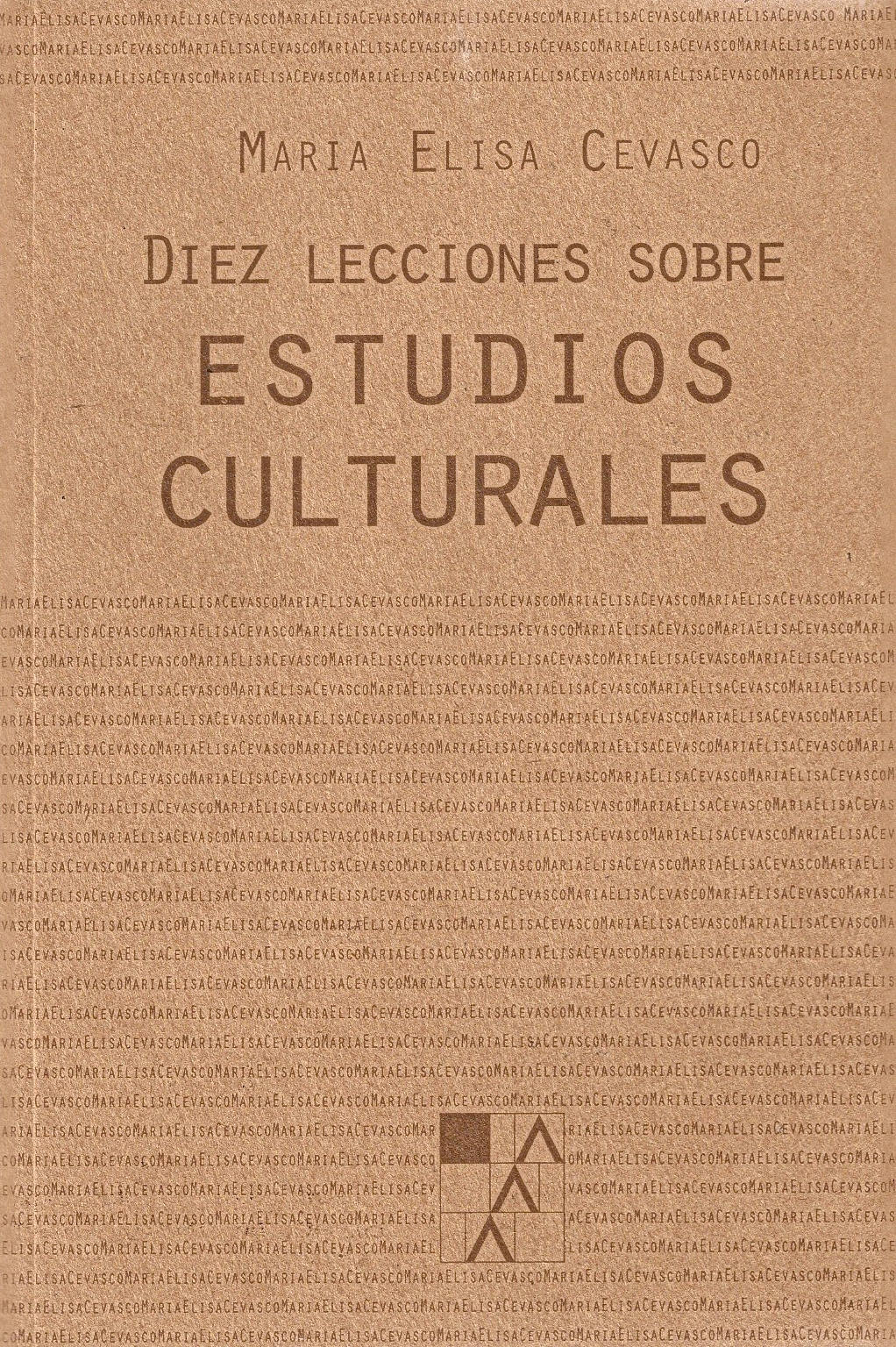
Diez lecciones sobre estudios culturales

Auteur(s) : Maria Elisa CEVASCO ; trad. René PALACIOS MORE
Pays de parution : Argentine, Chili, Uruguay
Langue(s) : espagnol
Prix : 290 pesos Uruguay

Une coédition « Le livre équitable » entre les éditions Trilce (Uruguay), la marca editora (Argentine) et les éditions Lom (Chili). Le texte original a été publié en portugais en 2012, par les éditions Boitempo (Brésil), membre de l’Alliance. La traduction et la coédition de ce titre ont bénéficié du soutien de la Fondation Prince Claus.

Date de parution : 2013, 136 pages, 16 X 23 cm
ISBN (Uruguay) : 978-9974-32-613-2
ISBN (Argentine) : 978-950-889-226-3

Diez lecciones sobre estudios culturales
Version Argentine (la marca editora)

Partager l'article

Fair Trade book : A real issue for tomorrow / Co-publishing, rights transfers and other solidarity publishing partnerships - 14 to 17 June 2013, Ouagadougou (Burkina Faso)

Pays de parution : Burkina Faso

Preparatory and thematic workshop of the International Assembly of Independent Publishers

16 publishers from Africa, Europe and Latin America will convene in Burkina Faso for this 5th International Assembly workshop.
Drawing from a report on publishing partnerships compiled by the Alliance over the past 10 years, the publishers’ objectives are to :
*implement new solidarity publishing projects ;
*develop a guide/charter of good publishing practices to accompany the “Fair Trade book” logo ;
*strengthen and establish inter-professional partnerships.

This workshop will conclude with the launch of the last solidarity co-publishing project : « À quand l’Afrique ? » Joseph KI-ZERBO’s interview with René HOLENSTEIN – on June 17 at the National Archives of Ouagadougou.

The Alliance warmly thanks the Organisation internationale de la Francophonie and the Centre national du livre for their valuable support in facilitating this meeting.

Read more about this workshop and about the International Assembly.

Partager l'article

Governance

Translators

Nathalie COOREN (French-Spanish)

JPEG - 36.3 kio

Nathalie Cooren has a background in law (Master of Laws with a specialisation in European and international law) and in social sciences (Master in sociology of conflicts). After working several years in the field of international relations, where translation was an integral part of her daily life, she decided to make it her full-time job.
Several years spent abroad, particularly in Latin America, also made her aware of the importance of languages and the diversity of cultures. She translates from Spanish and English into French, for documents in the legal, institutional, political, environmental, tourism, marketing, and publishing fields, as well as books (see in particular "Guide du municipalisme : pour une ville citoyenne apaisée, ouverte”).

Danielle CHARONNET (French-Spanish)

JPEG - 35.3 kio

Rachel MATTEAU MATSHA (French-English)

JPEG - 31.7 kio

Rachel Matteau Matsha is senior lecturer at the Durban University of Technology (South Africa). Her research interests include book history, sociology of literature, Indian Ocean studies, and postcolonial studies. Born in Québec (Canada), she holds a BA in Literary Studies from the Université du Québec à Montréal, and a MA and PhD in African Literature from the University of the Witwatersrand in Johannesburg (South Africa). She is the author of Real and Imagined Readers. Reading, publishing and censorship under apartheid (UKZN Press, forthcoming 2018). She is collaborating with the International Alliance of independent publishers since 2013.

Partager l'article

Volunteers

Volunteers come from time to time to support the permanent team of the Alliance for the implementation of the action plan of the association : we thank them very much for their involvement and their commitment !

Céline ANFOSSI
Céline Anfossi is specialised in project management and consultancy. She has worked in the book sector, mainly in coaching professionals (International Alliance of independent publishers, Fill-Interregional Federation of Books and Reading). She explores these issues through different projects and audiences (women seeking employment, students) and is particularly interested in the topic of professional integration.

Djamilatou DIALLO

JPEG - 6.5 kio

Born in Tahiti, of Franco-Guinean parents, Djamilatou continued her studies in Paris in Lettres et Histoire (MA dissertation on Ancient History : “Patrons of cities in Roman Africa from the third to the fifth century : an epigraphic study”).
In the long term, Jamilatou would like to specialise in the protection and enhancement of heritage by working with different cultural organisations here or elsewhere.
Following a five-month internship at the Alliance (development of the 2018 WomenList and the HotList presented at the Frankfurt Book Fair, and the study on the textbook market in French-speaking Africa), Djamilatou is now a volunteer of the Association.

Partager l'article

International Committee of Independent Publishers (ICIP)

The ICIP includes the coordinators of the Alliance’s language networks ; they are nominated by the members of the networks. Since 2011, the ICIP has been an essential part of governing the Alliance, representing the voice of the publishers. The ICIP meets once a year in the presence of the Board and the team of the Alliance. The agenda is based on the aspirations and objectives of the Alliance, considering above all the needs and expectations of the members.

Composition of the ICIP :

  • Coordinator of the Arabic-language network : Samar Haddad, Syria (Atlas Publishing)
  • Coordinators of the English-language network : Ronny Agustinus, Indonesia (Marjin Kiri) and Colleen Higgs, South Africa (Modjaji Books)
  • Coordinator of the Persian-language network : Azadeh Parsapour, UK/Iran (Nogaam)
  • Coordinators of the Portuguese-language network : Carla Oliveira, Portugal (Orfeu Negro) and Sandra Tamele, Mozambique (Trinta Zero Nove)
  • Coordinator of the Spanish-language network : Francisca Muñoz Méndez, Chile (Editoriales de Chile)

Partager l'article

Publishers

Click here to see the list of Alliance member publishers.

Partager l'article

Recommander cette page